

The history behind 7 luxury fashion brands
Behind every iconic designer brand is a story. Some started as small family businesses, others began with a single designer and a completely new vision of fashion. Over the years, these fashion houses have shaped the luxury industry, introduced recognisable designs and created pieces that remain popular decades later.
We're taking a closer look at the history of seven iconic luxury fashion brands: Louis Vuitton, Gucci, Prada, Céline, Fendi, Chanel and Dior.
The history behind the world's most iconic luxury fashion houses
Every luxury fashion house has its own beginnings. While some started with travel accessories or leather goods, others made their name through clothing and innovative designs. Over the decades, these brands developed their own identities, becoming some of the most recognisable names in fashion today.

Louis Vuitton
Founded in Paris in 1854 by Louis Vuitton, the brand originally specialised in luxury travel trunks. Louis Vuitton revolutionised luggage design by introducing flat-topped trunks that were easier to stack and transport. In 1896, his son Georges Vuitton introduced the famous LV Monogram canvas, which eventually became one of the most recognisable patterns in luxury fashion.
Shop Louis Vuitton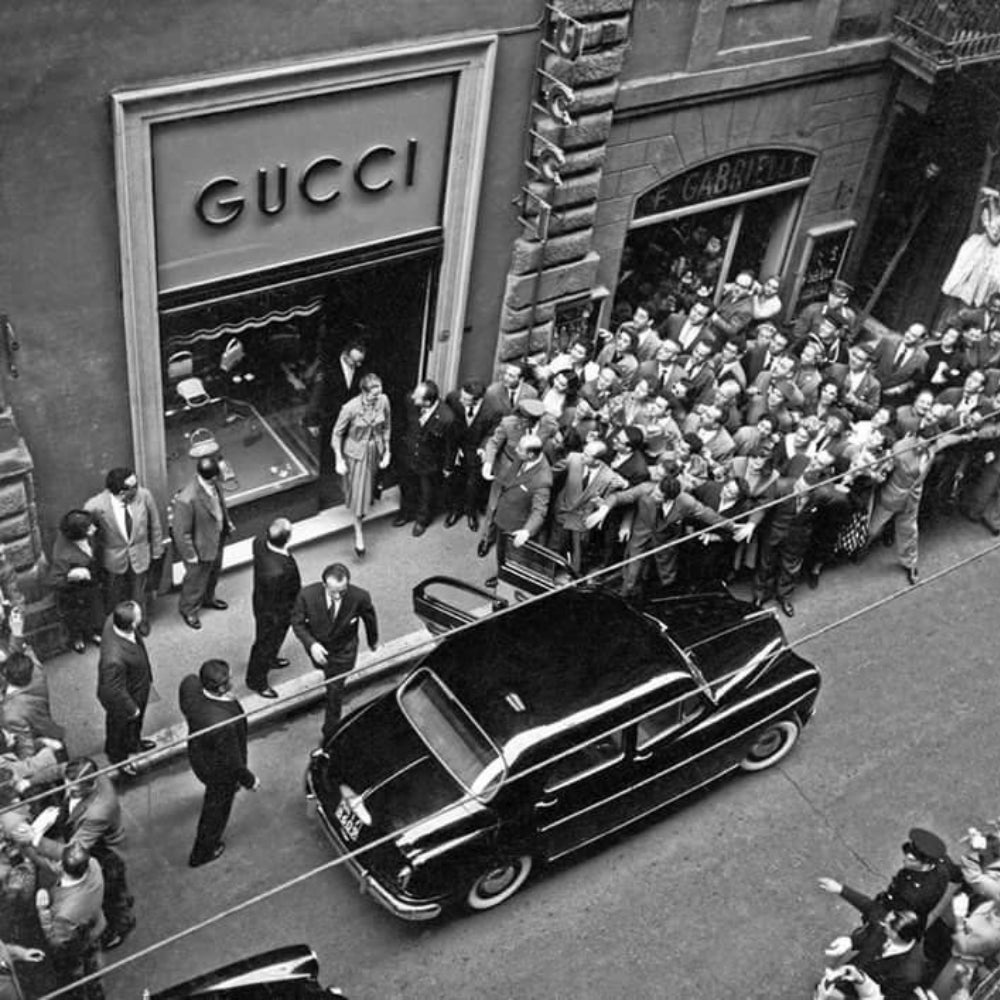
Gucci
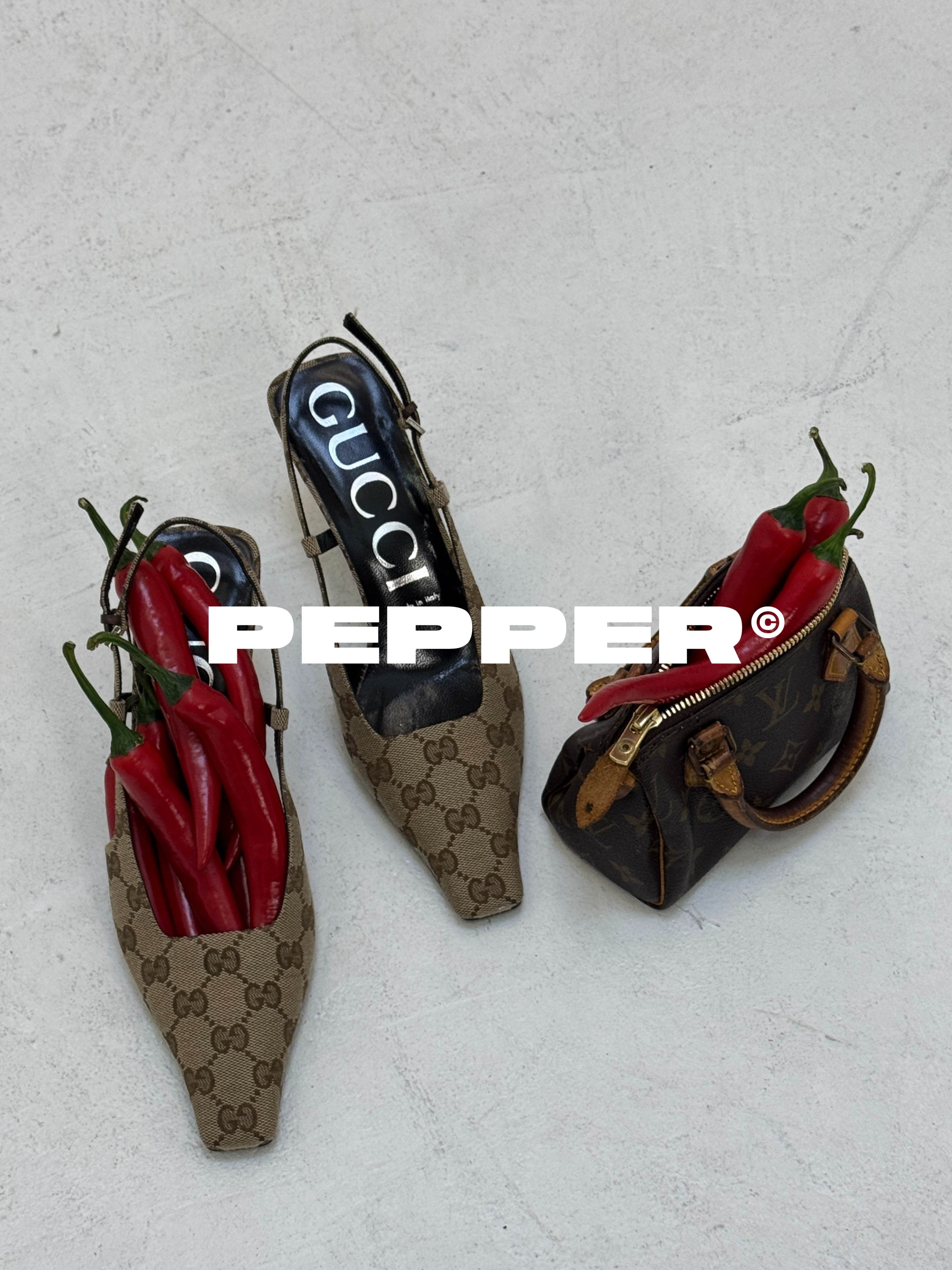
Gucci was founded in Florence in 1921 by Guccio Gucci, who was inspired by the luxurious luggage he encountered while working at London's Savoy Hotel. What began as a small leather goods shop developed into an international fashion house. Over the years, Gucci became known for its Italian craftsmanship, equestrian-inspired details and signature GG monogram.
Shop Gucci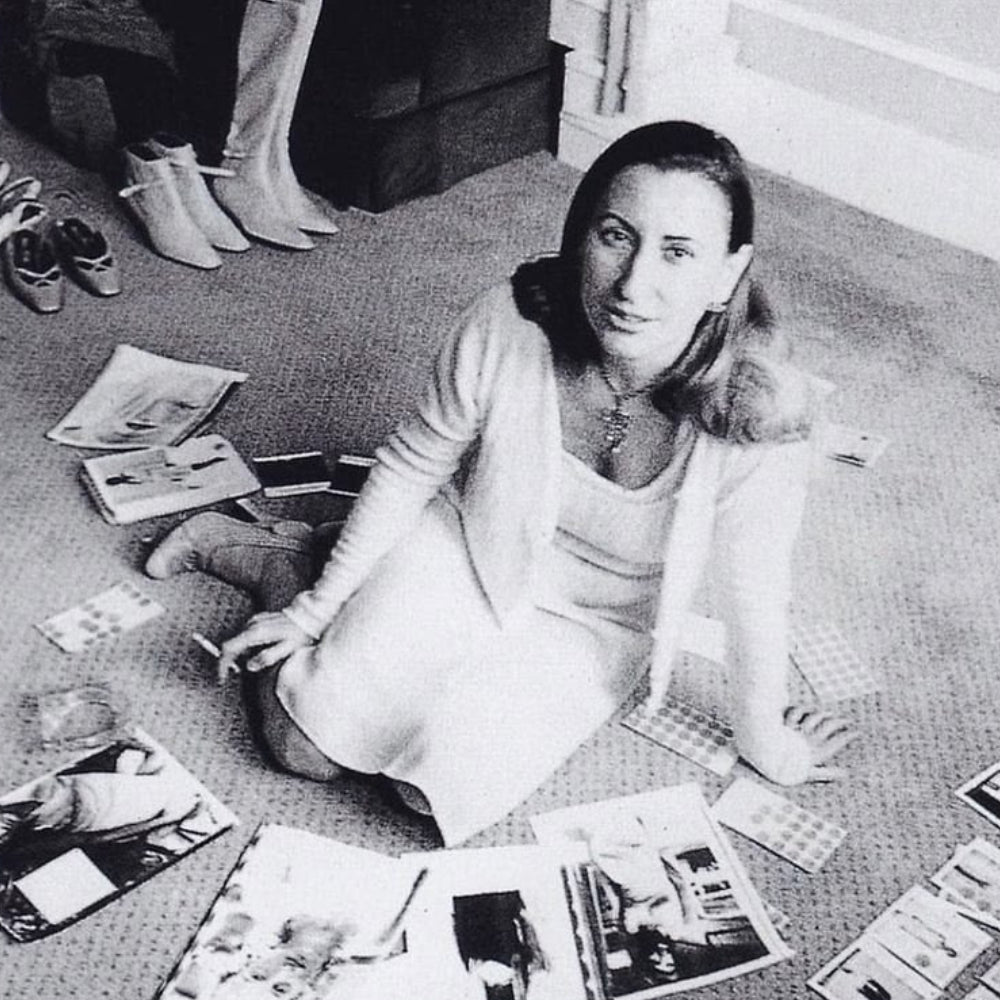
Prada
The history of Prada began in Milan in 1913, when Mario Prada and his brother Martino opened a shop specialising in luxury leather goods and travel accessories. Decades later, Mario's granddaughter Miuccia Prada transformed the family business by introducing innovative materials and minimalist designs, helping establish Prada as one of the most influential names in modern luxury fashion.
Shop Prada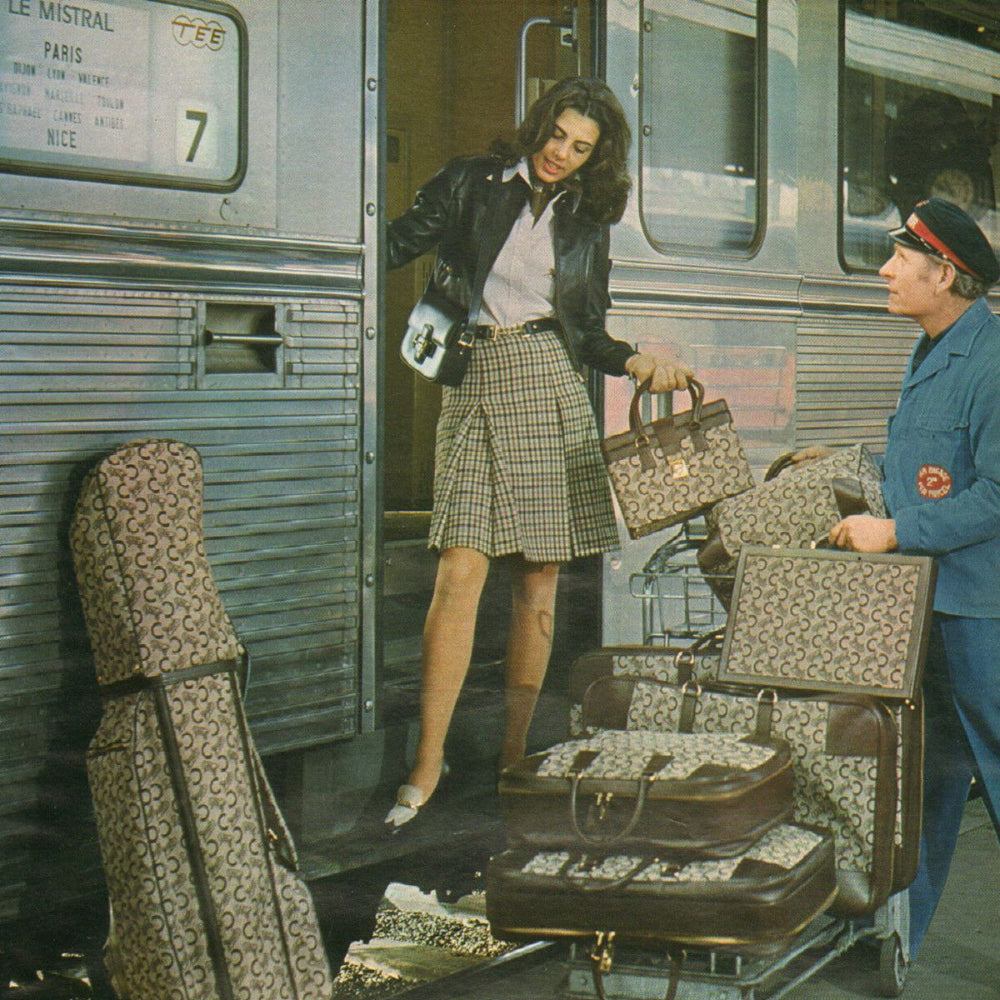
Céline
Founded in Paris in 1945 by Céline Vipiana and her husband Richard, Céline originally specialised in made-to-measure children's shoes. During the following decades, the brand expanded into women's footwear, leather goods and ready-to-wear fashion. Its focus on understated elegance and practical luxury eventually became central to the fashion house's identity.
Shop Céline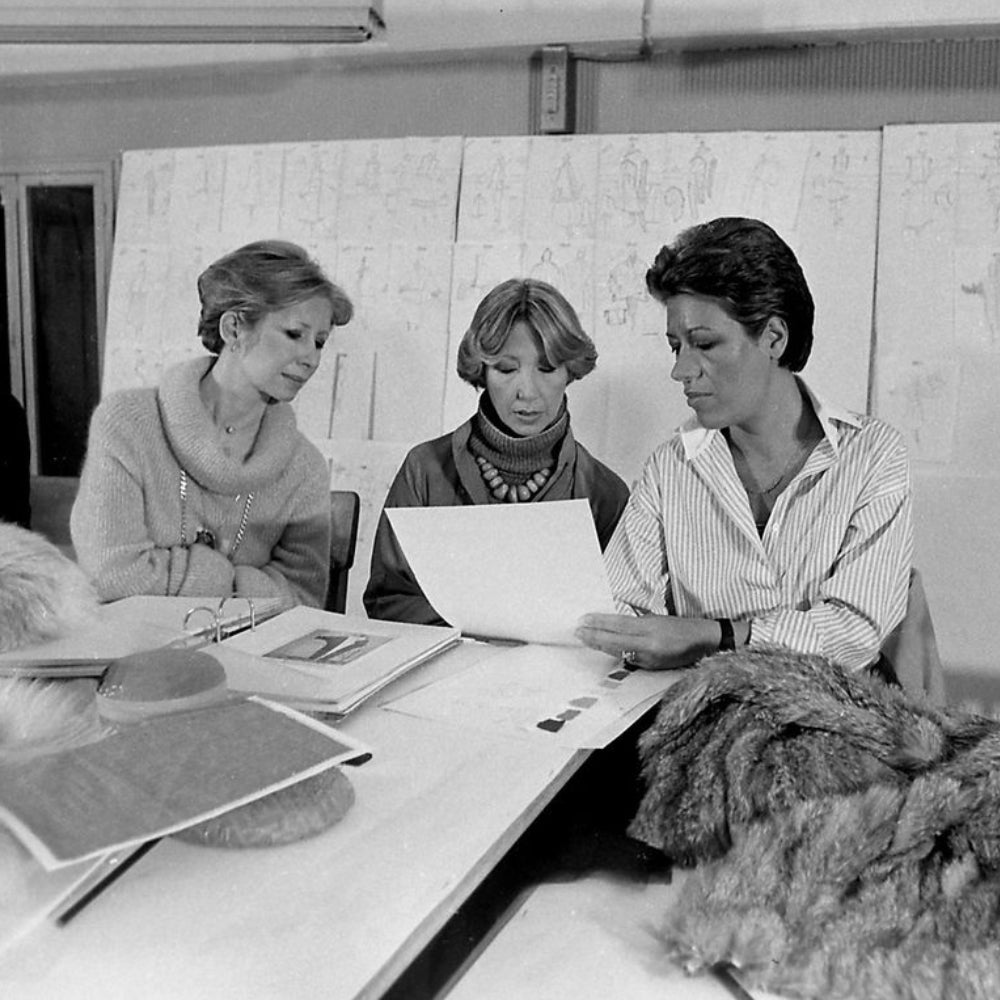
Fendi
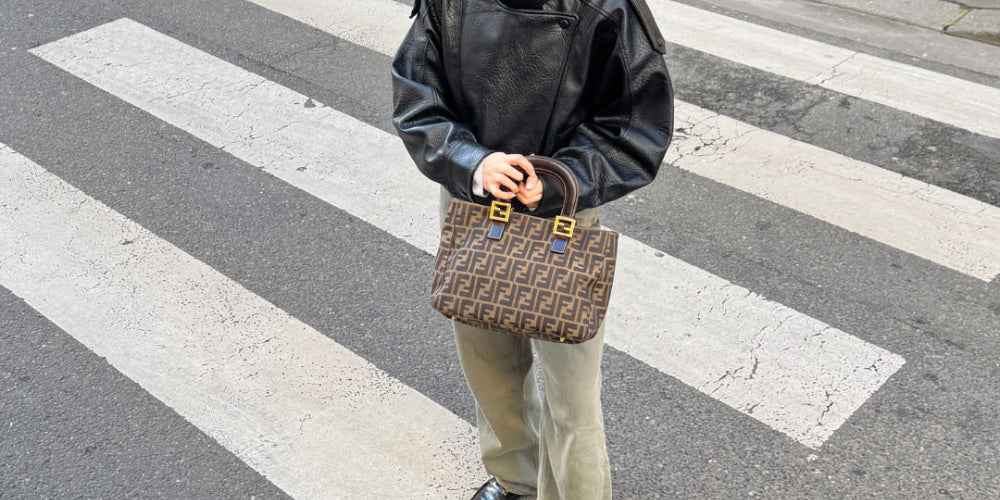
Fendi was founded in Rome in 1925 by Adele and Edoardo Fendi as a boutique specialising in leather goods and fur. Their five daughters later helped expand the family business internationally. In 1965, Karl Lagerfeld joined the fashion house, introducing a new creative direction and contributing to the development of the iconic double-F logo.
Shop Fendi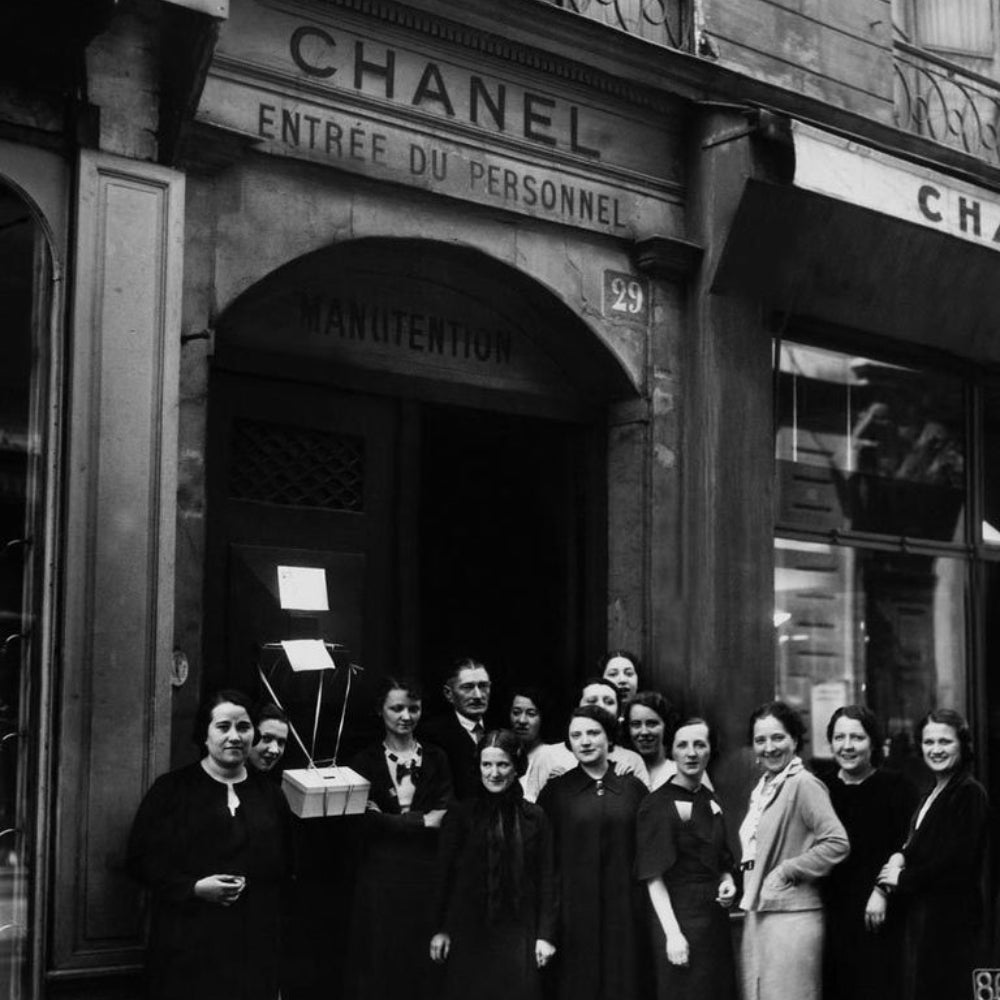
Chanel
Gabrielle 'Coco' Chanel opened her first boutique in Paris in 1910, initially specialising in hats. She went on to transform women's fashion with comfortable silhouettes, simple designs and an approach to elegance that challenged traditional clothing. Her creations, including the little black dress and Chanel No. 5 perfume, helped establish one of the world's most influential fashion houses.
Shop Chanel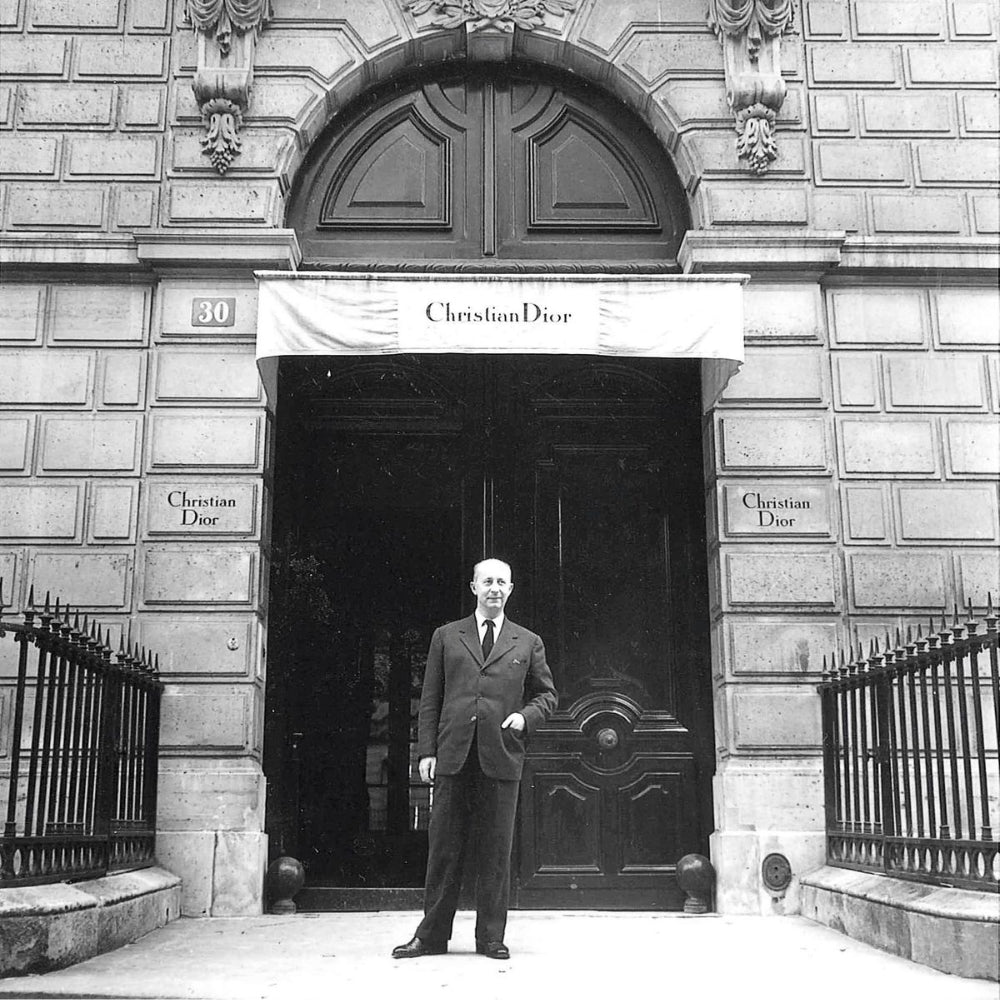
Christian Dior
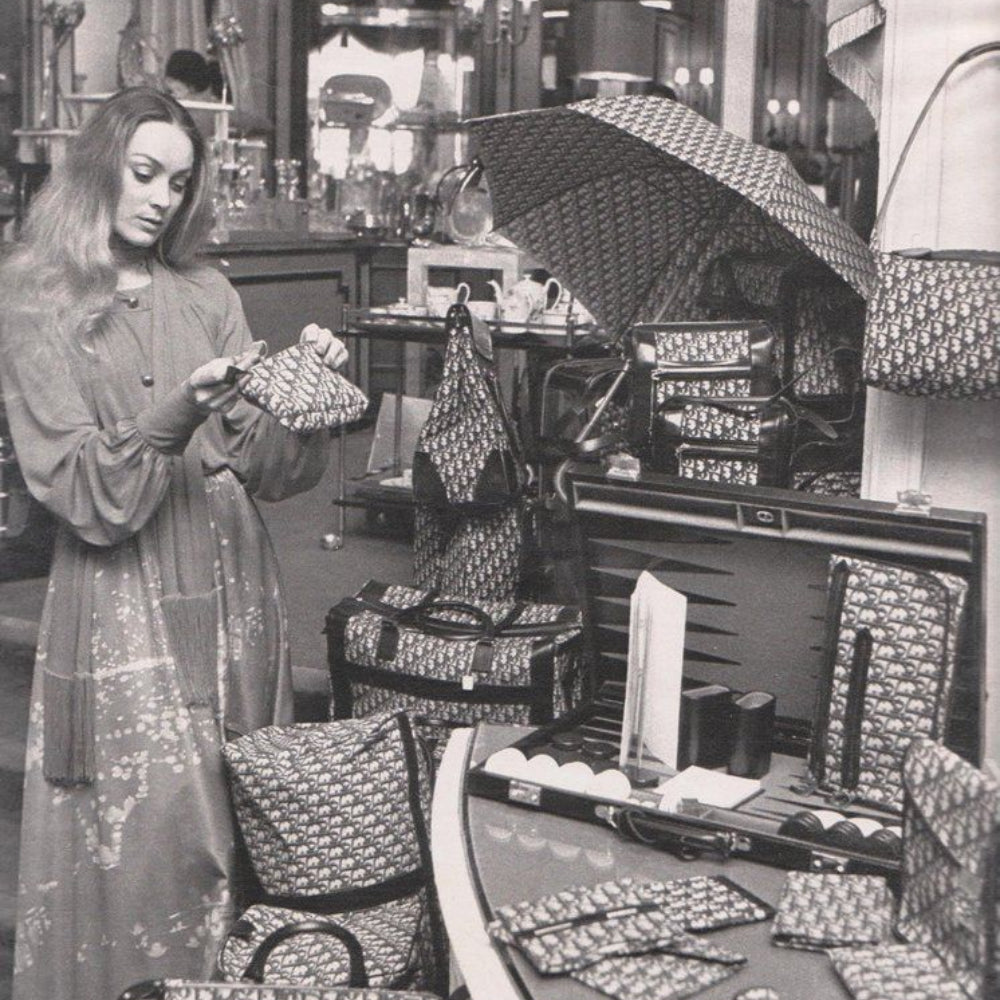
Christian Dior founded his fashion house in Paris in 1946. Just one year later, his first haute couture collection introduced the famous New Look, characterised by narrow waists and full skirts. The collection transformed post-war fashion and established Dior as a leading name in French luxury. The house continued to evolve under influential designers following Christian Dior's death in 1957.
Shop Christian DiorHow luxury fashion brands created their iconic handbags
While these luxury brands began with different visions, each eventually created handbags that became an important part of fashion history. Some were originally designed for practical purposes, while others became famous through celebrities, distinctive materials or unforgettable silhouettes.
Louis Vuitton
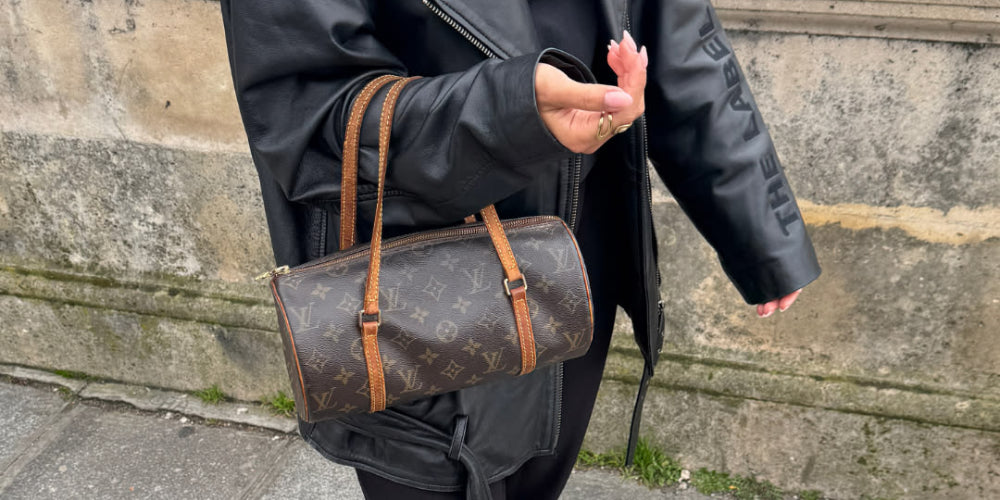
Louis Vuitton's origins in travel goods continued to influence its handbag collections. The Louis Vuitton Speedy, introduced in the 1930s, became one of the brand's most recognisable everyday bags. The Louis Vuitton Noé, created in 1932 to transport champagne bottles, is another example of how practical designs developed into timeless fashion pieces.
Gucci
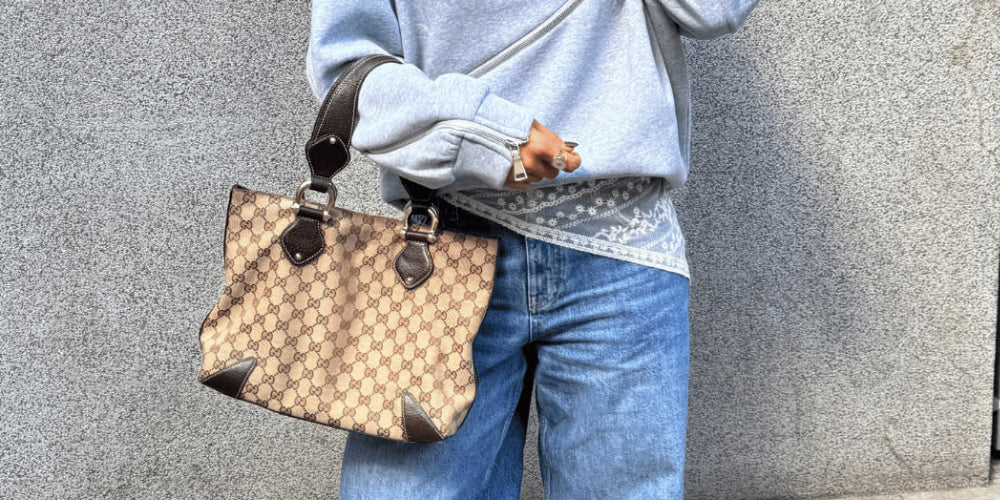
Gucci introduced its famous Gucci Bamboo Bag in 1947, featuring a distinctive curved bamboo handle. The Gucci Jackie, which became associated with Jacqueline Kennedy Onassis during the 1960s, followed as another signature design. Over the years, the brand expanded its handbag collections with GG canvas styles, including vintage favourites such as the Gucci Abbey and Boston bags.
Prada
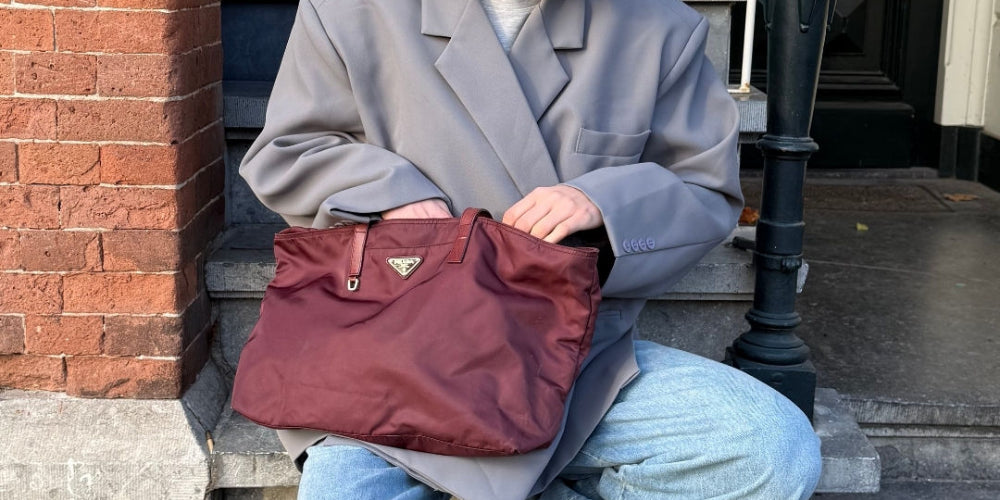
Prada challenged traditional luxury fashion by introducing handbags and accessories made from nylon. Under Miuccia Prada's direction, the material became a signature of the brand during the 1980s and 1990s. Its minimalist nylon backpacks and shoulder bags demonstrated that luxury did not always require traditional leather or elaborate details.
Céline
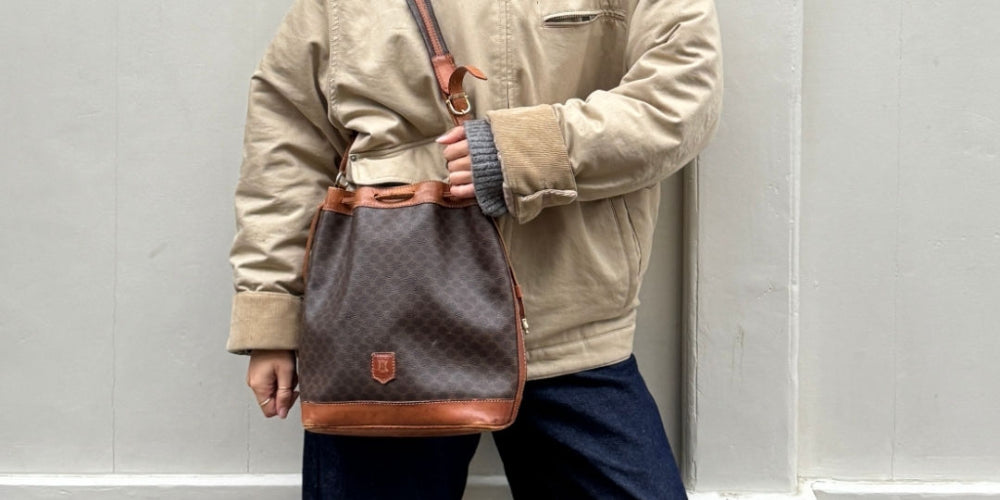
Céline developed a distinctive handbag identity through its elegant leather goods and recognisable patterns. The Céline Macadam canvas, introduced in the 1970s, became a signature of many vintage Céline bags. Decades later, the Luggage Tote, introduced in 2010 under Phoebe Philo, became another defining design for the fashion house.
Fendi
In 1997, Silvia Venturini Fendi introduced the Fendi Baguette, a compact shoulder bag designed to fit comfortably under the arm. Its distinctive shape and countless variations helped turn it into one of the most famous It-bags of the late 1990s and early 2000s. The Baguette remains an important part of Fendi's handbag history.
Chanel
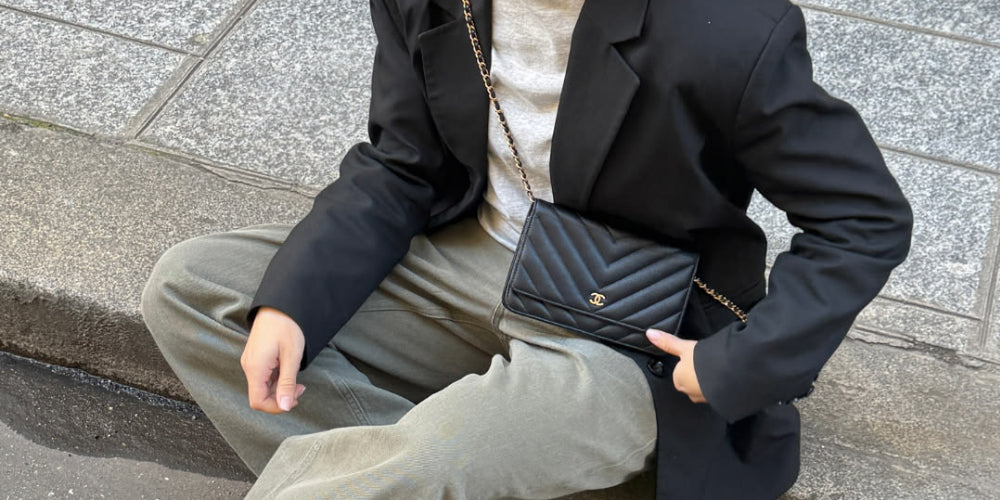
In February 1955, Coco Chanel introduced the Chanel 2.55, a handbag featuring a shoulder chain that allowed women to carry their belongings hands-free. Its quilted leather and practical design became defining elements of Chanel handbags. Later interpretations, including the Chanel Classic Flap, continued the legacy of this iconic design.
Christian Dior
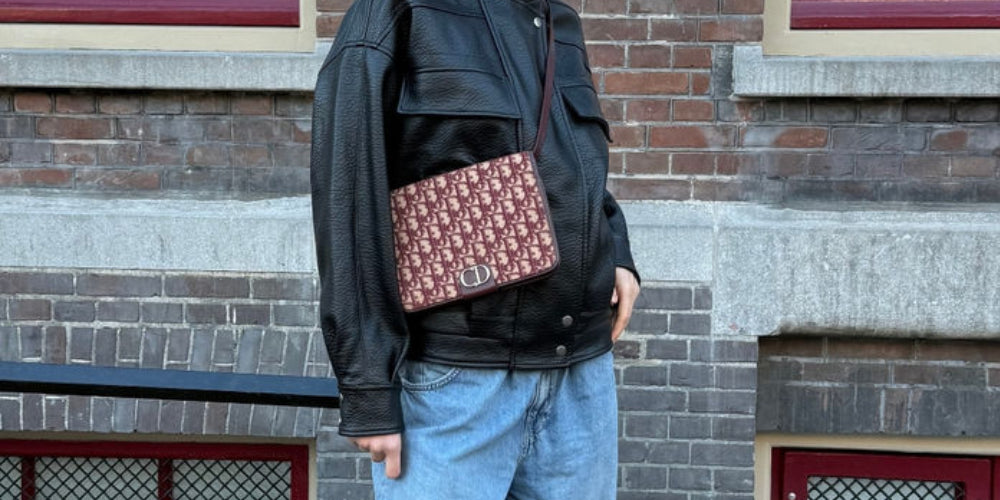
The Lady Dior, introduced in 1995, became internationally recognised through its association with Princess Diana. Its structured shape and signature Cannage stitching made it a timeless design. In 2000, Dior introduced the Dior Saddle Bag, whose distinctive curved silhouette became closely associated with early-2000s fashion.

Shop vintage designer bags at Pepper Luxury Vintage
The history of these iconic fashion houses lives on through their designs. From timeless classics to distinctive vintage pieces, each bag represents a part of fashion history.
Discover our collection of vintage designer bags at Pepper Luxury Vintage and find your next pre-loved favourite.